
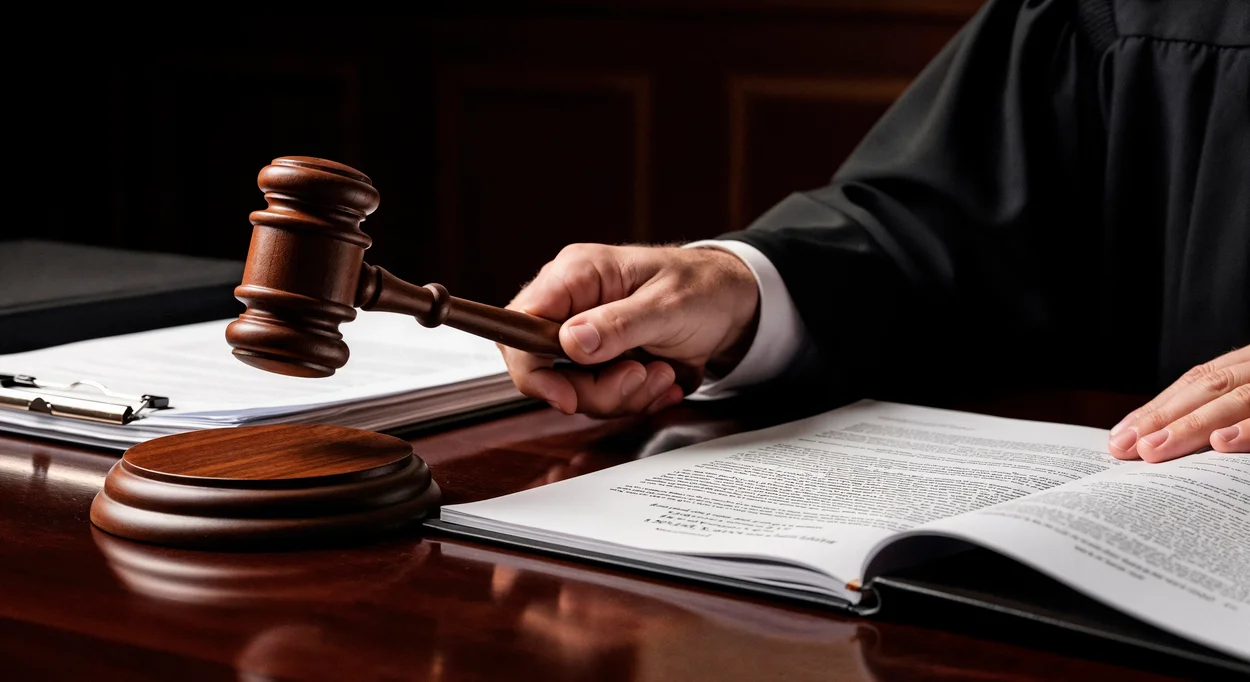
Law is the foundation upon which organized societies function. It defines acceptable behavior, resolves conflicts, and ensures fairness by establishing clear rules that apply to everyone. From everyday contracts to constitutional rights, law influences nearly every aspect of human life.
What Is Law?
Law refers to a system of rules created and enforced by governing authorities to regulate conduct within a society. These rules are designed to maintain order, protect individual rights, and promote justice.
Key characteristics of law include:
-
Authority-based: Created by recognized institutions such as legislatures and courts
-
Binding: Enforceable through penalties or legal remedies
-
Universal: Applies equally to all individuals within a jurisdiction
The Purpose of Law
The primary purpose of law is not punishment, but balance. It aims to harmonize individual freedoms with collective responsibility.
Core Objectives of Law
-
Maintaining social order by preventing chaos and conflict
-
Protecting rights and freedoms such as life, liberty, and property
-
Providing justice through fair dispute resolution
-
Establishing standards for acceptable behavior
Without law, society would rely solely on personal morality, which varies widely and often leads to conflict.
Major Types of Law
Law is a broad field divided into several branches, each serving a specific function.
Criminal Law
Criminal law deals with offenses against the state or society as a whole. Crimes such as theft, assault, and fraud fall under this category. Penalties may include fines, imprisonment, or community service.
Civil Law
Civil law focuses on disputes between individuals or organizations. Common areas include:
-
Contracts
-
Property disputes
-
Family matters such as divorce and custody
The goal is usually compensation or resolution, not punishment.
Constitutional Law
This branch governs the structure of government and the relationship between the state and citizens. It safeguards fundamental rights and limits governmental power.
Administrative Law
Administrative law regulates government agencies and ensures they act within their legal authority. It plays a critical role in areas like taxation, environmental regulation, and labor law.
Sources of Law
Law does not emerge from a single source. Instead, it develops through multiple channels.
Primary sources include:
-
Legislation enacted by governing bodies
-
Judicial decisions that interpret and apply laws
-
Customary practices recognized over time
-
Constitutions that serve as the supreme legal authority
Each source contributes to a dynamic legal system that evolves with society.
Importance of Law in Everyday Life
Law quietly shapes daily interactions, often without us realizing it. From buying groceries to signing employment contracts, legal principles ensure trust and accountability.
Law helps society by:
-
Promoting fairness and equality
-
Encouraging economic stability
-
Protecting vulnerable groups
-
Resolving disputes peacefully
A strong legal system builds public confidence and supports long-term social development.
Challenges in the Legal System
Despite its importance, law faces ongoing challenges.
Some common issues include:
-
Delays in justice due to overloaded courts
-
Complexity that makes legal processes hard to understand
-
Inequality in access to legal representation
Addressing these challenges is essential to ensure that law remains effective and truly just.
The Future of Law
As society changes, law must adapt. Technology, globalization, and social movements are reshaping legal frameworks worldwide. Areas such as digital privacy, cybercrime, and artificial intelligence law are becoming increasingly significant.
The future of law lies in balancing innovation with ethical responsibility, ensuring progress does not come at the cost of justice.
Frequently Asked Questions (FAQs)
1. Why is law necessary in society?
Law is necessary to maintain order, protect rights, and provide a structured way to resolve disputes fairly.
2. What is the difference between civil law and criminal law?
Civil law deals with disputes between individuals, while criminal law addresses offenses against society or the state.
3. Can laws change over time?
Yes, laws evolve through amendments, new legislation, and court interpretations to reflect societal changes.
4. Who enforces the law?
Law enforcement agencies, courts, and regulatory bodies are responsible for enforcing and interpreting the law.
5. What happens if a law is unfair?
Unfair laws can be challenged in courts, amended by legislatures, or reformed through public advocacy.
6. Is ignorance of the law a valid defense?
Generally, no. Individuals are expected to know and follow the law within their jurisdiction.
7. How does law protect individual rights?
Law establishes legal remedies and constitutional safeguards that prevent abuse of power and protect freedoms.