
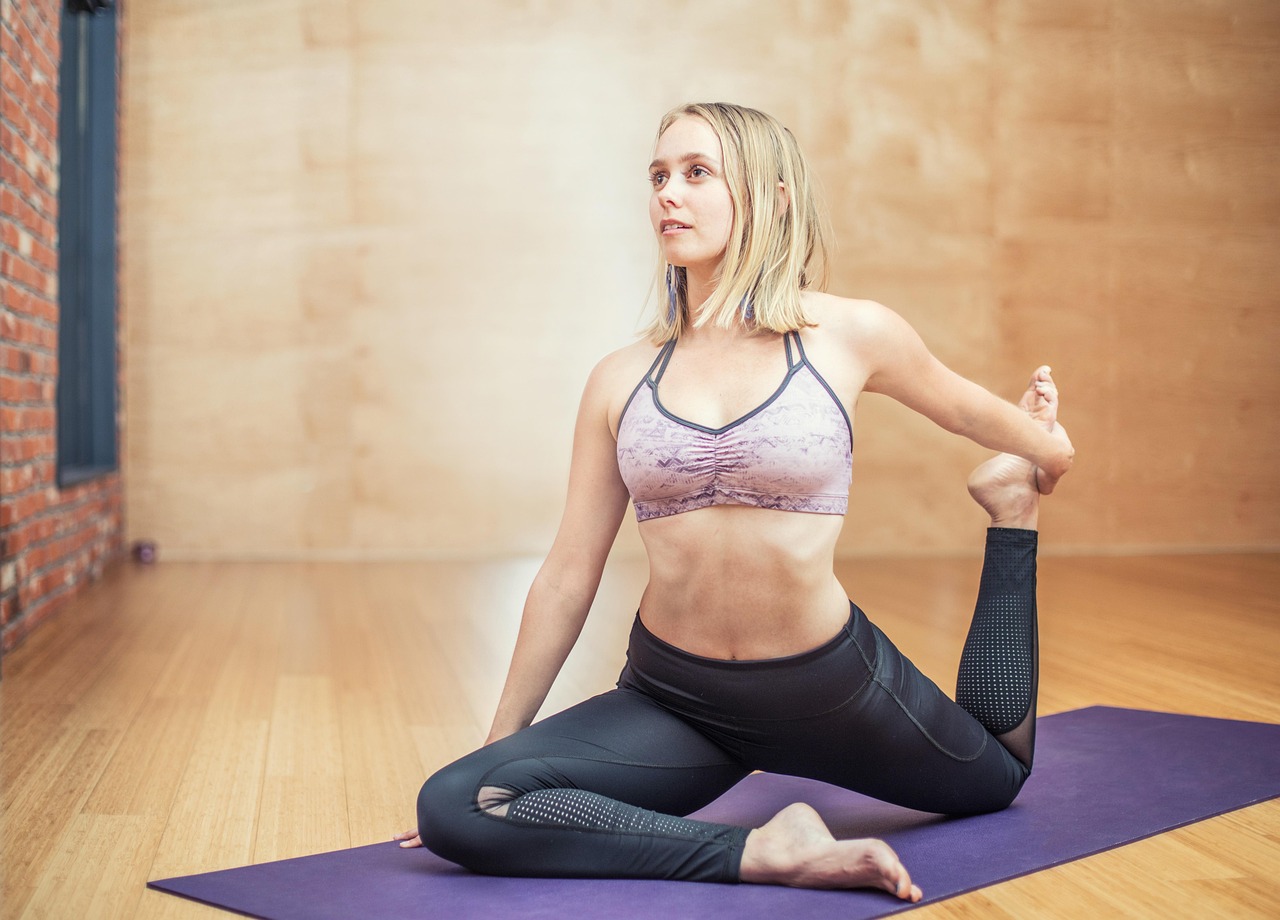
A heated yoga class can feel powerful, but preparation matters. Students who arrive dehydrated, underfed, tired, or overly ambitious may find the room much harder than expected. That is why anyone starting bikram yoga should understand how to prepare the body before class, manage effort during practice, and recover properly afterward.
Bikram-style yoga asks the body to work in heat. This can improve focus and create a strong sense of physical challenge, but it also increases the importance of hydration, pacing, and self-awareness. The safest students are not always the strongest. They are the ones who know how to listen.
Preparation Begins Before You Enter the Room
Many people think class preparation starts when the teacher begins. In reality, it starts earlier. What you eat, how much water you drink, how well you sleep, and how stressful your day has been can all affect the class.
Arriving at class after a long day of coffee, skipped meals, and limited water is not ideal. Heat increases the demand on the body. If the body is already tired or dehydrated, the class may feel overwhelming.
Good preparation does not need to be complicated. Drink water steadily throughout the day, eat in a way that supports energy, and avoid arriving rushed.
Hydration Should Be Steady, Not Last-Minute
Drinking a large bottle of water right before class may seem helpful, but it can make movement uncomfortable. Twists, folds, and lying-down postures do not feel good with a stomach full of water.
It is better to hydrate gradually. Students attending morning classes should drink water after waking. Students attending evening classes should pay attention to hydration during work hours.
People who sweat heavily may need electrolytes as well. This can come from balanced meals, coconut water, soups, fruits, or electrolyte support when appropriate.
Food Timing Matters
A heavy meal close to class can cause discomfort. Heat and movement may make digestion feel more noticeable. Students may feel sluggish, bloated, or nauseous if they practice too soon after a large meal.
A full meal is usually better eaten two to three hours before class. If the class is closer, a light snack may help. Options such as a banana, toast, yogurt, dates, or a small smoothie can provide energy without heaviness.
Practicing completely hungry may also be a problem. Low energy can make focus and heat tolerance worse.
Clothing Should Support Heat Management
The right clothing helps students feel more comfortable. Breathable, sweat-friendly activewear is usually better than thick fabric. Clothing should allow movement and should not become distracting when wet.
Students should avoid heavy lotions or oils before class because sweat can make the skin slippery. A towel can help manage sweat on the mat and face.
Comfort matters because distraction increases fatigue. The less you need to adjust clothing, the better you can focus on breath and movement.
Start Slower Than Your Ego Wants
Many first-timers want to prove they can handle the class. This is a mistake. Heat changes the experience, even for people who are fit. A pose that feels manageable in a normal room may feel harder in heat.
The first few classes should be about learning the environment. How does your body respond to heat? When does your breath change? Which postures make you feel steady? Which ones make you feel lightheaded?
This information helps you practice safely.
Overstretching Is a Real Risk
Heat can make muscles feel more flexible. This can be useful, but it can also tempt students to push too deeply. The body may feel open, yet joints and connective tissues still need protection.
Students should avoid forcing end ranges. If a posture causes sharp pain, joint pressure, or breath-holding, reduce the intensity. Flexibility should feel controlled.
A good practice is not measured by how far you go. It is measured by how intelligently you move.
Learn the Difference Between Challenge and Warning Signs
Bikram-style yoga can be challenging, but some signals should not be ignored. Heavy sweating, effort, and discomfort may be part of the experience. Dizziness, nausea, confusion, chills, chest discomfort, or feeling unable to breathe steadily are warning signs.
If these appear, rest immediately. Sit or lie down and breathe normally. If needed, leave the room safely.
No pose is worth pushing through dangerous symptoms.
Recovery After Class
Post-class recovery is part of the practice. Students should cool down gradually, drink fluids, and eat a balanced meal. The body has worked in heat and needs support.
A recovery meal can include protein, carbohydrates, vegetables, and fluids. This may be rice with tofu or chicken, eggs with toast, lentil soup, yogurt with fruit, or a balanced home-cooked meal.
Students should avoid rushing from class into another stressful activity. Give the body time to settle.
How Often Should Beginners Attend?
Beginners may start with once a week and observe how they recover. If they feel well, they can add more classes gradually. More classes are not automatically better if recovery is poor.
Signs of poor recovery include headaches, extreme fatigue, poor sleep, irritability, persistent soreness, or feeling dehydrated. In that case, reduce frequency and improve preparation.
Consistency should support health, not drain it.
Building a Smarter Practice
Bikram-style yoga rewards patience. Students who prepare well, pace themselves, and recover properly are more likely to continue. The practice becomes less about surviving heat and more about learning focus, discipline, breath, and body awareness.
For students in Singapore who want to approach heated yoga safely and consistently, Yoga Edition can be part of a routine that supports preparation, guided practice, and long-term wellbeing.
FAQs
What should I do if I feel cold or shivery during a hot class?
Stop and rest. Feeling cold or shivery in a heated room can be a warning sign that your body is struggling to regulate temperature. Tell the teacher and do not push through it.
Is it okay to take painkillers before class if I feel sore?
Do not use painkillers to push through class. They can hide warning signs and may affect how you respond to heat. If you are sore, choose rest or a lighter practice.
Can I take a shower immediately after class?
Yes, but cool down first. Sit, breathe, and let sweating reduce before showering. A sudden very cold shower may feel shocking if your body is still overheated.