
If you battle seasonal allergies, asthma, or an intense hatred of dust mites, your home is probably a fortress. You likely already run a HEPA air purifier in the bedroom, wash your pillowcases in scalding hot water, and anxiously check the daily pollen count before daring to open a window.
But even with all these defenses, you might still wake up with a scratchy throat and watery eyes. Why? Because you are probably ignoring the largest surface area in your house: your floors.
Gravity is undefeated. Every single airborne allergen—pollen, pet dander, mold spores, and fine dust—eventually falls to the ground. And the second you walk across the living room to grab your morning coffee, your feet kick those invisible particles right back up into the air you breathe. It is an endless, frustrating cycle of settling, disturbing, and inhaling. You can invest in the most expensive air filters on the market, but if you don’t address where those particles land, you are fighting a losing battle.
To finally break this loop, occasional weekend cleaning will not save you. You need a two-part defense system.
Beating the “Dust Cycle” with Daily Automation
The golden rule of allergy management is absolute consistency. Dust and dander do not take days off. If you only pull out your heavy upright vacuum on Saturday mornings, you are forcing your lungs to filter increasing amounts of allergens for the other six days of the week.
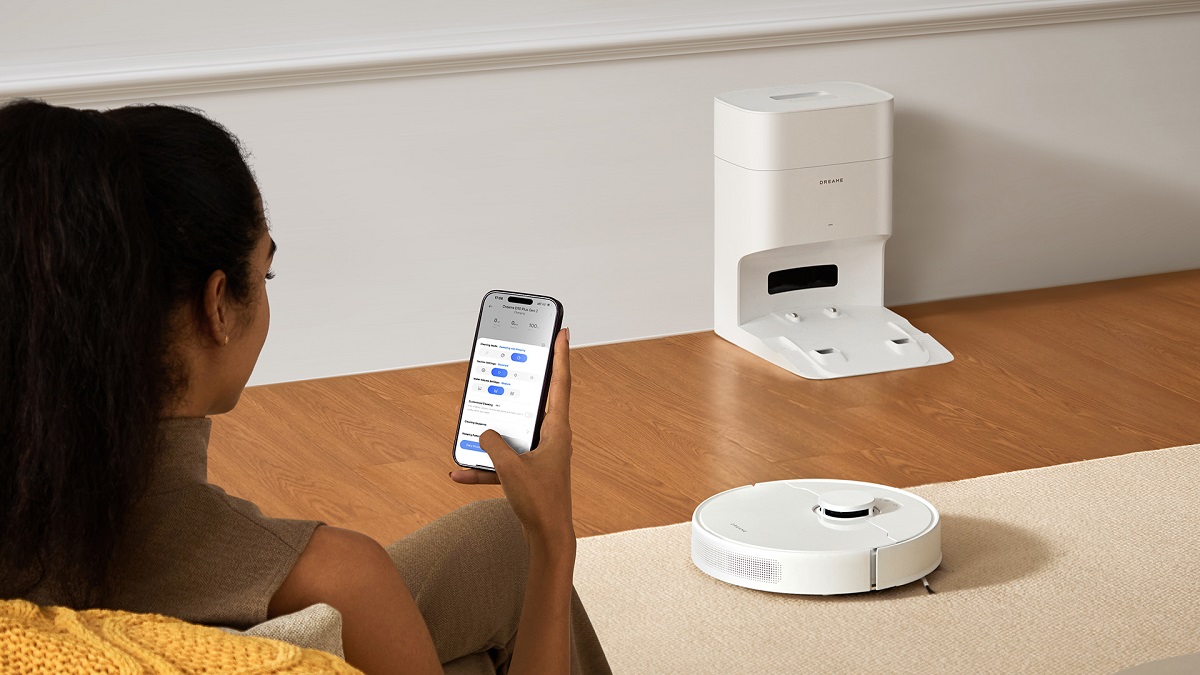
But nobody has the time or energy to manually sweep the entire house every single day. This is why a high-quality robot vacuum and mop is no longer just a lazy luxury; for allergy sufferers, it is a legitimate health appliance.
Why automated daily sweeping is non-negotiable:
- Zero Airborne Kick-Up: Manual brooms launch dust straight into the air. A slow-moving automated device traps it directly at the source without causing an airborne dust storm.
- The Micro-Dust Magnet: While the suction handles loose pet hair and crumbs, the damp mopping pad acts like a static magnet. It grabs the microscopic dander and pollen that regular dry vacuums usually leave behind.
- Empty-House Cleaning: Schedule the device to run while you are at the office. By the time you walk through the front door, the floating dust has settled, and the floors are completely reset.
Destroying the “Sticky Bio-Film” with Deep Extraction
Dealing with dry dust is only half the battle. We also have to talk about “sticky” dust.
Over time, cooking oils from the kitchen, humidity, and microscopic spills create an invisible, sticky film across your hard floors. When pollen and dust mites land on this film, they get glued down. A gentle automated sweep cannot scrub this layer off, and a standard dry vacuum definitely cannot suck it up.
This is where traditional string mops make things infinitely worse. Dunking a mop into a bucket of soapy water and pushing it across the floor just rehydrates this nasty bio-film. You aren’t actually removing the trapped allergens; you are just giving them a wet ride across the room and painting them back onto the floorboards.
To physically strip this layer off your floors, you need a dedicated wet dry vacuum cleaner. This machine completely changes the physics of how you wash a floor, and it is the ultimate game-changer for anyone sensitive to pet dander or seasonal blooms.
The Allergy-Safe Cleaning System at a Glance
Here is a quick breakdown of why this two-tier tech system works so much better than traditional tools:
| Cleaning Tool | Target Mess | Allergen Removal Method | Air Quality Impact |
| Automated Robot | Loose dust, pollen, pet hair | Dry suction + light damp wipe | Prevents daily buildup without stirring up airborne dust. |
| Wet/Dry Vac | Sticky grime, muddy prints, bio-film | Active scrubbing + instant dirty water extraction | Physically removes stuck allergens; zero cross-contamination. |
The Wet Extraction Advantage
Why is that manual wet/dry machine so crucial for someone with asthma? Because it features an active two-tank system. It aggressively scrubs that sticky layer of grime with constantly flowing, 100% fresh water. Then, its high-powered suction instantly extracts that dirty liquid off the floor and locks it away in a sealed recovery tank.
You are physically pulling the stubborn, allergy-triggering grime off your floorboards and pouring it straight down the sink. No pushing dirty water around. No spreading outdoor mold spores into your kitchen grout lines.
Your New 24-Hour Hypoallergenic Schedule
Ready to stop sneezing in your own living room? Here is the exact, zero-stress routine to keep your indoor air pristine:
- The 10:00 AM Autopilot (Daily): Set your automated unit to run mid-morning when everyone is gone. It removes the fresh layer of morning dust, meaning you never come home to a floor covered in allergens.
- The Friday Night Reset (Weekly): Use your manual wet/dry machine to do a fast, 15-minute sweep of high-traffic zones (kitchens, bathrooms, and entryways). This strips away any sticky bio-film that accumulated during the week.
- The Rainy Day Protocol (As Needed): When the dog tracks in wet mud (which is packed with outdoor mold and pollen), don’t wait. Use the manual wet/dry machine to instantly extract the muddy prints before they dry and become airborne dust.
Breathe Easy, Clean Less
You simply cannot have clean indoor air if you have dirty floors. They are completely connected.
By abandoning outdated mops and heavy, inefficient vacuums, you can finally stop the dust cycle at its source. Adopting this daily automated and weekly extraction routine transforms your floors from a passive landing pad for pollen into an active, protective shield for your respiratory system. You get to spend less time scrubbing, and a whole lot more time actually breathing easy.