
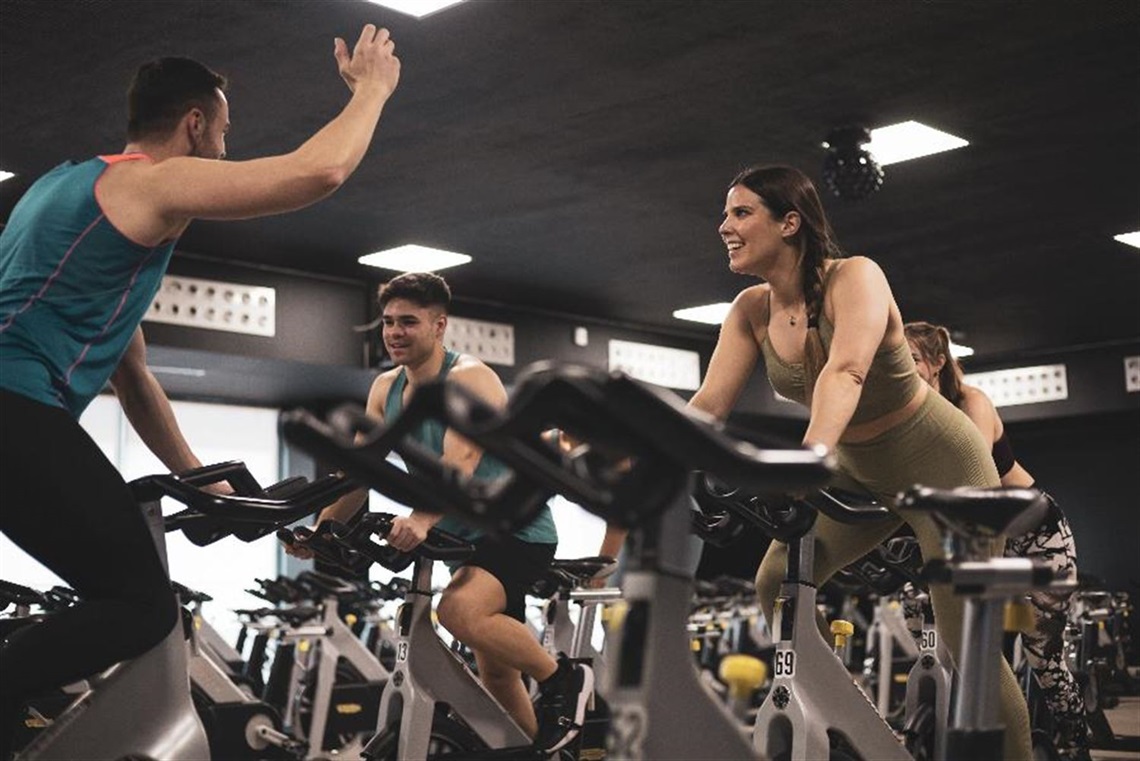
Understanding the physiological processes that occur during Spinning classes transforms the experience from a guided workout you follow into an intelligent training session you participate in with genuine comprehension of why each segment is structured the way it is and what it is producing in your body. For Singapore fitness enthusiasts who want to train with knowledge as well as effort, this physiological breakdown of a spinning class session provides that understanding.
The First Five Minutes: Warm-Up and Physiological Preparation
Cardiovascular System Activation
The warm-up segment of spinning classes is not merely a formality. It initiates a cascade of physiological responses that prepare the body for the high-intensity effort ahead. Heart rate begins rising from its resting level as the cardiovascular system responds to the increased oxygen demand of working leg muscles. Blood is redirected from digestive organs and skin toward the working musculature through a process called vasoconstriction and vasodilation that optimises oxygen delivery to where it is most needed.
Muscle Temperature Elevation
Muscle tissue functions more efficiently and with lower injury risk at elevated temperatures. The warm-up phase of spinning classes raises muscle temperature by increasing the metabolic activity of working fibres, which enhances the elasticity of connective tissue, improves the efficiency of enzymatic processes that fuel muscle contraction, and prepares the neuromuscular system for the rapid firing patterns that high-intensity cycling demands.
Joint Lubrication
Synovial fluid, the lubricating fluid within joint capsules, becomes more effectively distributed through joint surfaces during the warm-up phase. This lubrication is particularly important for the knee joints that bear the primary mechanical load during spinning classes, and it is one of the physiological reasons that beginning a high-intensity cycling session without adequate warm-up increases injury risk.
Minutes 5 to 25: Building Intensity and Metabolic Demand
Glycolytic Energy System Dominance
As spinning classes intensity increases beyond the warm-up phase, the body’s primary energy system shifts from predominantly aerobic, which uses oxygen to produce energy from fat and carbohydrate, toward increasing contribution from the glycolytic system, which produces energy rapidly from glycogen without oxygen but generates lactate as a byproduct.
Well-designed spinning classes alternate between segments that primarily challenge the aerobic system and shorter, higher-intensity segments that recruit the glycolytic system. This alternation is the physiological basis for the interval structure that makes spinning classes so effective for both cardiovascular fitness development and body composition management.
Cardiovascular Output Reaches Training Intensity
By the active portion of spinning classes, heart rate has risen to training intensity levels that produce meaningful cardiovascular adaptation stimulus. For most participants, this means working between 65 and 85 percent of maximum heart rate across moderate segments and pushing toward 90 percent or above during high-intensity intervals and sprints.
At these heart rate levels, the cardiovascular system is working at outputs that stimulate the cardiac adaptations, including stroke volume increase and improved cardiac efficiency, that produce the long-term heart health benefits of regular spinning classes attendance.
The High-Intensity Intervals: What Happens at Maximum Effort
Muscle Fibre Recruitment Expands
During the highest-intensity segments of spinning classes, including standing climbs at high resistance and maximum-effort sprints, the neuromuscular system recruits progressively larger proportions of available muscle fibre. Fast-twitch muscle fibres, which produce high force rapidly but fatigue quickly, are recruited alongside the slow-twitch fibres that have been engaged throughout lower-intensity segments.
This expanded muscle fibre recruitment is one reason that high-intensity spinning class intervals produce a more powerful training stimulus than moderate-intensity sustained effort, engaging more total muscle tissue and creating a more comprehensive adaptation signal.
Lactate Accumulation and the Burn
The burning sensation in the legs that spinning classes participants experience during high-intensity segments reflects the accumulation of lactate and associated metabolic byproducts in working muscle tissue. This sensation is the perceptual representation of the body working beyond its lactate threshold, the intensity above which lactate production exceeds the rate at which it can be cleared.
Training at and above the lactate threshold during spinning classes intervals progressively raises this threshold over time, meaning the body can sustain higher absolute intensities before lactate accumulation begins and the burning sensation is felt.
The Cool-Down: Physiological Recovery Initiation
Heart Rate Recovery and Blood Flow Normalisation
The cool-down phase of spinning classes is physiologically important rather than merely a polite ending to the session. Gradually reducing intensity allows heart rate to descend progressively rather than dropping suddenly, which supports healthy blood pressure management and reduces the risk of post-exercise dizziness from blood pooling in the legs.
Continued gentle pedalling during the cool-down maintains blood flow through working muscles, which helps remove accumulated metabolic byproducts including lactate more efficiently than complete cessation of movement would allow.
Stretching and Muscle Recovery Initiation
The stretching component at the end of spinning classes initiates the muscle recovery process by promoting blood flow to worked muscle tissue and addressing the shortening that sustained cycling effort produces in the quadriceps, hip flexors, and hamstrings. This post-class flexibility work reduces next-day muscle soreness and maintains the mobility that sustained spinning class attendance requires for long-term joint health.
For Singapore residents who want to attend spinning classes in a professional environment where the class structure, instructor expertise, and facility quality support the full physiological benefit of every session, True Fitness Singapore offers spinning classes across multiple island-wide locations designed to deliver genuinely effective cardiovascular and health outcomes for every participant.