
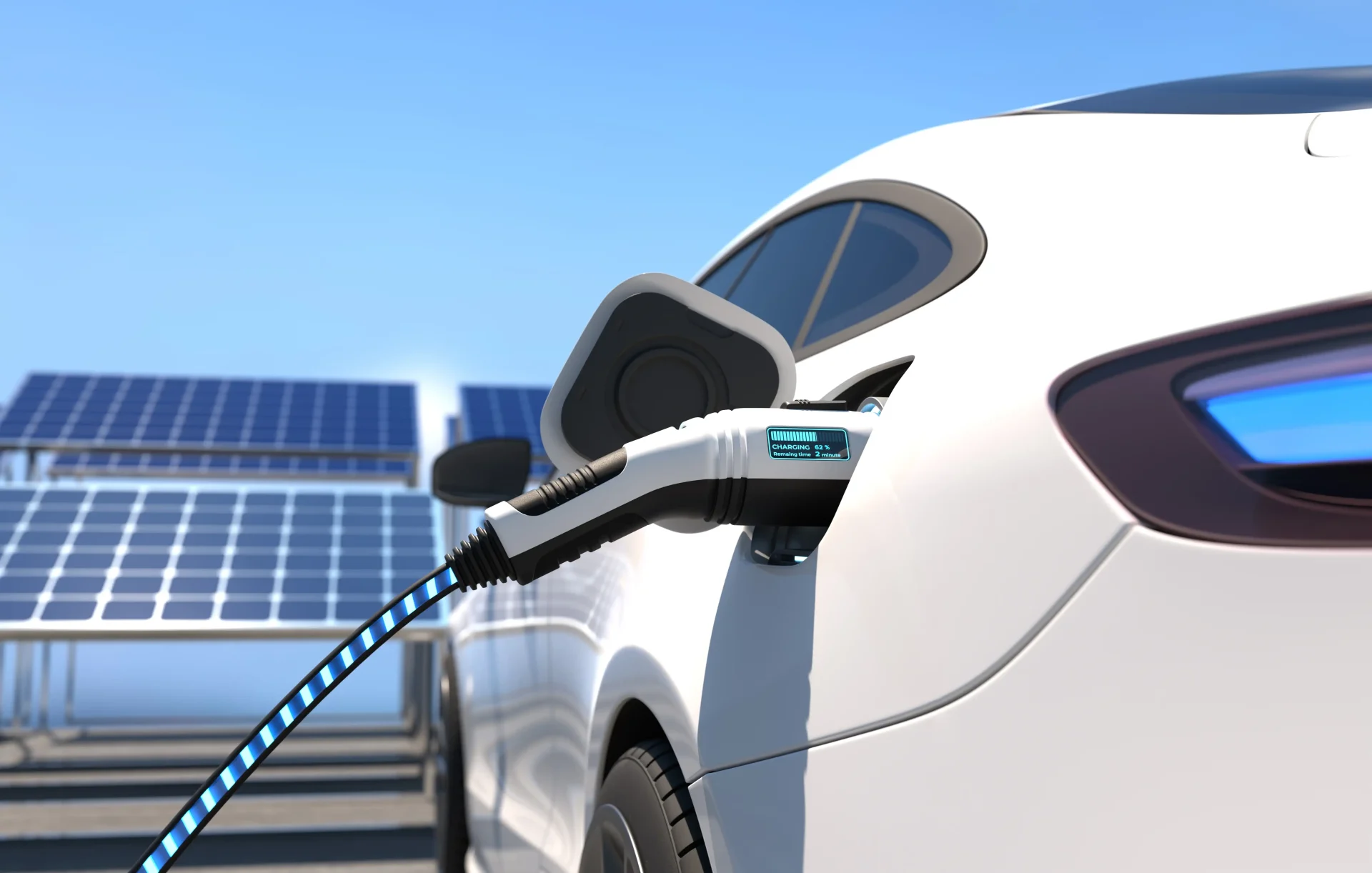
The automobile has transformed far beyond its original role as a simple mode of transportation. Today’s cars combine advanced engineering, digital intelligence, and sustainability to deliver safer, cleaner, and more connected driving experiences. From electric powertrains to smart dashboards, the auto industry is undergoing one of the most significant revolutions in its history.
Evolution of the Automobile Industry
For decades, cars focused primarily on mechanical performance and durability. While those elements still matter, modern vehicles now prioritize efficiency, technology, and environmental responsibility.
Key shifts shaping the auto sector include:
-
Transition from internal combustion engines to electric and hybrid systems
-
Integration of software-driven features
-
Increased focus on driver assistance and safety automation
These changes are redefining how people interact with their vehicles on a daily basis.
Rise of Electric and Hybrid Vehicles
One of the most impactful developments in the auto industry is the move toward electrification. Electric and hybrid cars are no longer niche products; they are becoming mainstream choices.
Benefits of Electric Vehicles (EVs)
-
Lower emissions, reducing environmental impact
-
Reduced fuel and maintenance costs
-
Quieter and smoother driving experience
-
Instant torque for quick acceleration
Hybrid vehicles bridge the gap by combining electric motors with traditional engines, making them ideal for drivers transitioning away from fuel-only cars.
Smart Technology Inside Modern Cars
Today’s automobiles function much like computers on wheels. Digital systems enhance comfort, convenience, and safety for both drivers and passengers.
Popular In-Car Technologies
-
Touchscreen infotainment systems
-
Voice-controlled navigation and media
-
Smartphone integration for calls and apps
-
Over-the-air software updates
These features allow vehicles to improve over time, even after purchase.
Advanced Safety Features and Driver Assistance
Safety has become a central focus in modern auto design. Cars now actively help prevent accidents rather than only protecting occupants during collisions.
Common Safety Technologies
-
Automatic emergency braking
-
Lane-keeping assistance
-
Blind-spot monitoring
-
Adaptive cruise control
-
Rearview cameras and parking sensors
Together, these systems significantly reduce the risk of human error, which remains the leading cause of road accidents.
Sustainability and Eco-Friendly Manufacturing
Automakers are also rethinking how cars are built. Sustainable practices are being introduced throughout the production cycle.
Notable efforts include:
-
Use of recycled and renewable materials
-
Energy-efficient manufacturing plants
-
Reduced water and waste usage
-
Longer-lasting components to cut down on replacements
These practices align with global efforts to lower carbon footprints across industries.
The Future of Automobiles
Looking ahead, the auto industry is moving toward autonomous driving and full connectivity. While fully self-driving cars are still evolving, semi-autonomous features are already common.
Future trends to watch:
-
Increased vehicle-to-vehicle communication
-
Expansion of charging infrastructure
-
AI-powered driving systems
-
Subscription-based software features
The car of tomorrow will be less about ownership alone and more about mobility as a smart service.
Frequently Asked Questions (FAQ)
1. Are electric cars suitable for long-distance driving?
Yes, modern electric cars offer extended driving ranges, and charging networks are expanding rapidly to support long trips.
2. Do electric vehicles cost more to maintain?
Generally, EVs have lower maintenance costs due to fewer moving parts and no need for oil changes.
3. How safe are modern cars compared to older models?
Modern cars are significantly safer thanks to advanced driver-assistance systems and improved structural designs.
4. Can car software updates improve performance?
Yes, over-the-air updates can enhance performance, fix bugs, and add new features without visiting a service center.
5. What is the lifespan of an electric car battery?
Most electric car batteries are designed to last 8–15 years, depending on usage and charging habits.
6. Are hybrid cars better than fully electric cars?
Hybrids are ideal for drivers who want improved fuel efficiency without relying entirely on charging infrastructure.
7. Will self-driving cars replace human drivers soon?
Fully autonomous cars are still in development, but partial automation will continue to expand in the coming years.