
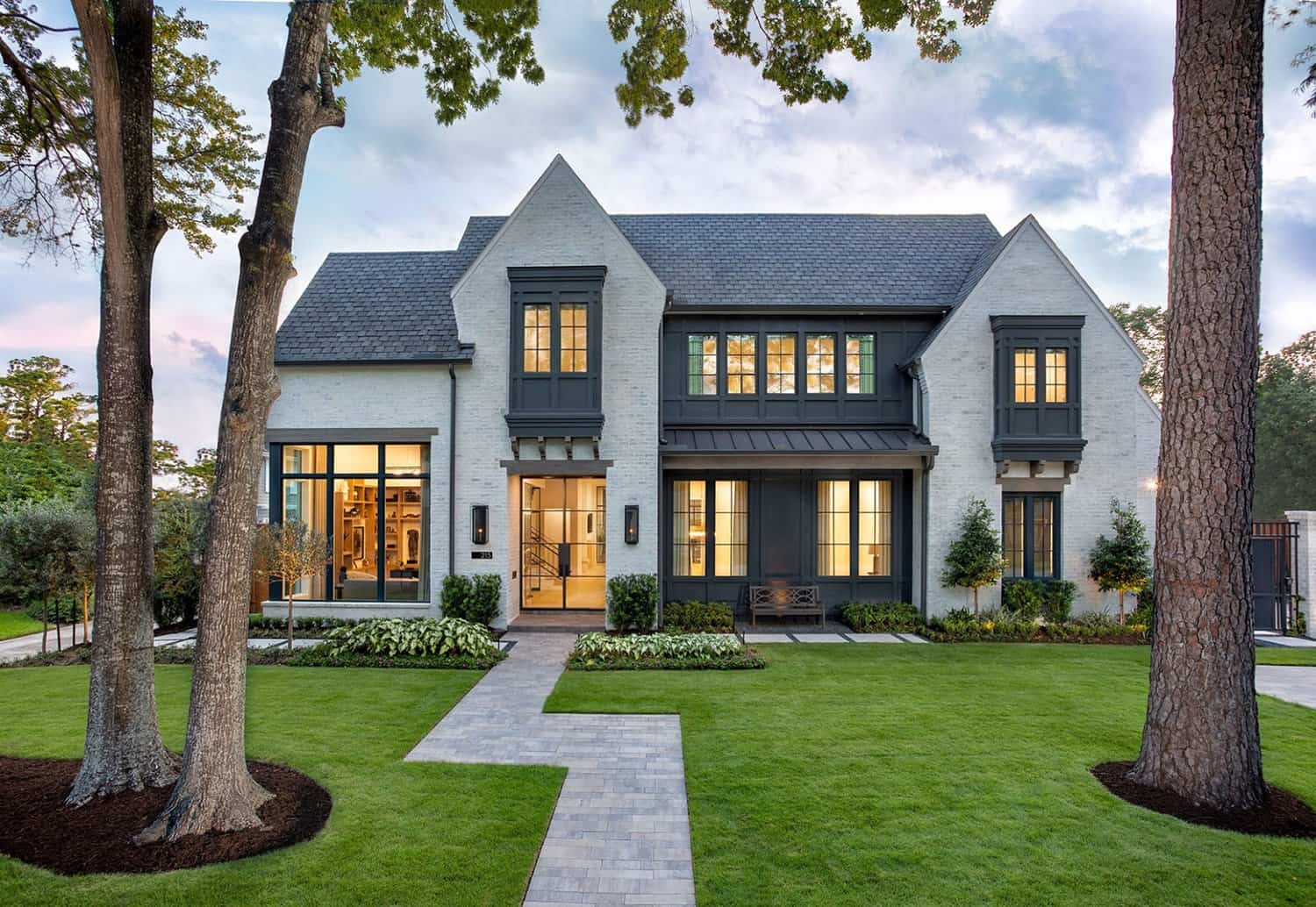
Home is not just a physical structure made of walls and a roof. It is a deeply personal space that reflects identity, values, comfort, and belonging. Whether it is a compact apartment in a busy city or a quiet house in the countryside, home shapes daily life in subtle but powerful ways.
From providing safety to nurturing emotional well-being, the concept of home goes far beyond architecture.
What Defines a Home?
A home can take many forms, but its essence remains consistent. It is where routines begin and end, where people feel most at ease, and where memories are created.
Key elements that define a home include:
- Comfort that supports rest and relaxation
- Security that offers peace of mind
- Personalization through décor, layout, and lifestyle choices
- Functionality that supports daily activities
A home evolves with its occupants, adapting to changing needs over time.
The Emotional Value of Home
Home plays a critical role in emotional stability. It acts as a retreat from external pressures and a space for self-expression.
Some emotional benefits of a well-balanced home environment include:
- Reduced stress and anxiety
- A sense of belonging and identity
- Improved relationships through shared spaces
- Emotional grounding during uncertain times
A thoughtfully arranged home can positively influence mood and mental health.
Functional Spaces Within a Home
Every home is made up of spaces designed to serve specific purposes. When these areas are well-planned, they improve both comfort and efficiency.
Living Areas
The living room often acts as the social heart of the home. It is a place for conversation, entertainment, and relaxation.
Common features include:
- Comfortable seating
- Adequate lighting
- Flexible layouts for gatherings
Kitchen and Dining Spaces
The kitchen is where nourishment meets connection. Beyond cooking, it often becomes a gathering point.
Important aspects of a functional kitchen:
- Efficient storage
- Easy-to-clean surfaces
- Logical workflow between cooking zones
Bedrooms
Bedrooms are personal sanctuaries designed for rest and privacy. Calm colors, minimal clutter, and good ventilation are essential for quality sleep.
Work and Study Areas
With remote work becoming more common, dedicated home workspaces are increasingly important. Even a small, well-organized corner can enhance productivity and focus.
Creating a Home That Reflects You
A meaningful home reflects personal taste rather than trends alone. It should feel authentic and supportive of everyday life.
Ways to personalize a home include:
- Displaying personal items like photos or artwork
- Choosing colors that evoke comfort
- Incorporating furniture that balances style and practicality
- Using lighting to set different moods
The goal is not perfection, but a space that feels genuinely lived in.
The Role of Home in Daily Life
Home influences routines, habits, and overall quality of life. A well-organized home can save time, reduce stress, and encourage healthier lifestyles.
Daily impacts of a good home environment:
- Better sleep patterns
- Increased productivity
- Stronger family connections
- Greater sense of control and calm
Even small improvements can make a noticeable difference.
Home as a Long-Term Investment
Beyond emotional value, a home is often a significant financial commitment. Proper maintenance and thoughtful upgrades can protect and increase its long-term value.
Examples of smart home investments:
- Energy-efficient appliances
- Durable materials
- Functional renovations over cosmetic changes
Balancing comfort with practicality ensures long-term satisfaction.
Frequently Asked Questions (FAQs)
What makes a house feel like a home?
Personalization, comfort, emotional connection, and a sense of safety transform a house into a home.
How can I make my home more comfortable without major renovations?
Simple changes like rearranging furniture, improving lighting, adding soft textiles, and reducing clutter can significantly enhance comfort.
Why is home environment important for mental health?
A calm and organized home reduces stress, supports emotional balance, and provides a sense of stability.
How often should a home be updated or refreshed?
Minor updates can be done seasonally, while larger changes depend on lifestyle needs and wear over time.
Can small homes still feel spacious and functional?
Yes, smart layouts, multi-purpose furniture, and good lighting can make small homes feel open and efficient.
What are the most important rooms to focus on first?
Living areas, bedrooms, and kitchens usually have the greatest impact on daily comfort and functionality.
How does home design affect daily routines?
Well-designed spaces make tasks easier, improve flow, and encourage healthier habits throughout the day.