
Education is more than the transfer of knowledge—it is the process through which individuals learn to think critically, solve problems, and contribute meaningfully to society. From early childhood to lifelong learning, education shapes values, skills, and opportunities that define both personal success and collective development.
The Meaning and Purpose of Education
At its core, education equips individuals with intellectual, emotional, and social competencies. It helps people understand the world, communicate effectively, and make informed decisions.
Key purposes of education include:
-
Developing critical thinking and reasoning skills
-
Preparing individuals for employment and entrepreneurship
-
Promoting ethical values and civic responsibility
-
Encouraging creativity and innovation
-
Fostering personal confidence and independence
Education is not limited to classrooms; it happens through experience, observation, and interaction with others.
Types of Education Systems
Education systems vary across regions, but they generally fall into three main categories.
Formal Education
Formal education follows a structured curriculum and is delivered through institutions such as schools, colleges, and universities.
Examples include:
-
Primary and secondary schooling
-
Undergraduate and postgraduate degrees
-
Professional certifications
Informal Education
Informal education occurs naturally through daily life experiences. It is unstructured and often unconscious.
Examples include:
-
Learning life skills from family
-
Gaining cultural knowledge through community interaction
-
Self-learning through reading or observation
Non-Formal Education
Non-formal education lies between formal and informal learning. It is organized but flexible.
Examples include:
-
Online courses and workshops
-
Adult literacy programs
-
Skill-based training and vocational education
The Role of Teachers in Education
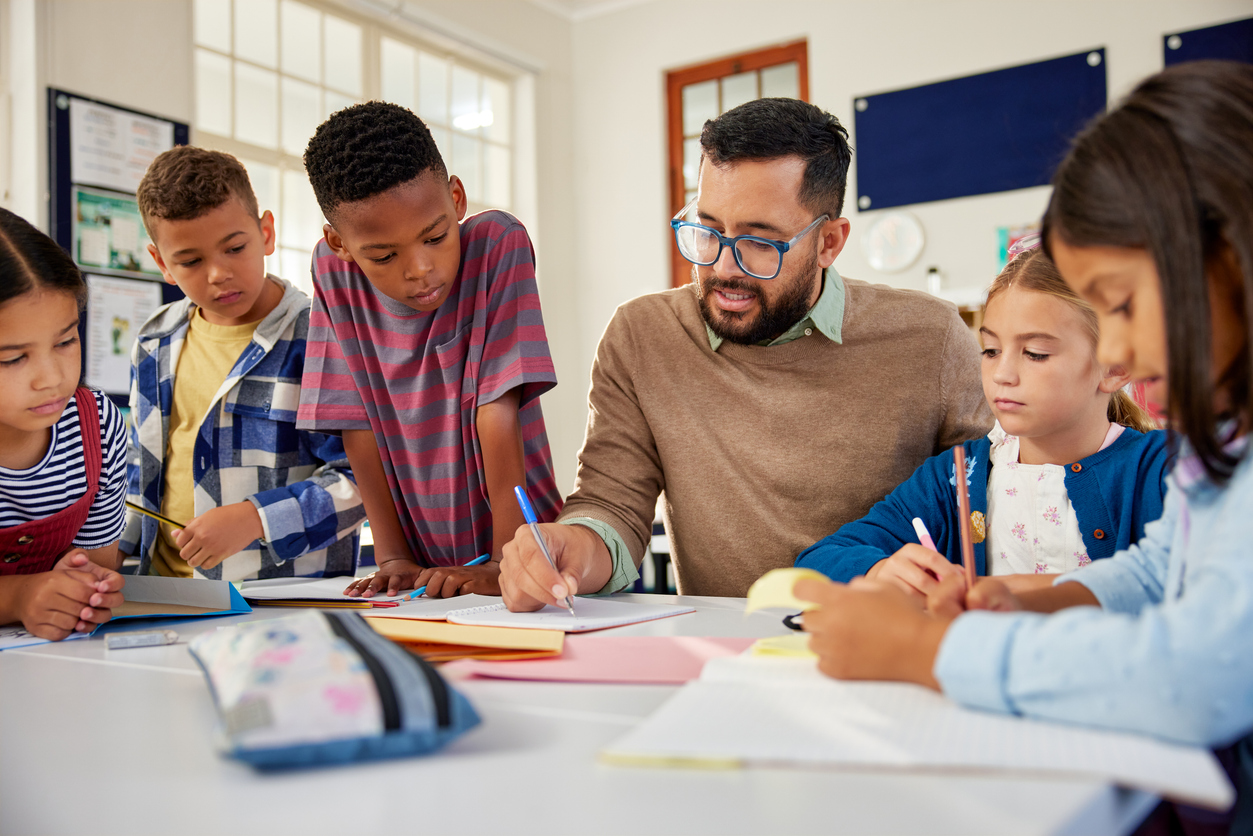
Teachers are the backbone of any education system. Beyond delivering lessons, they act as mentors, motivators, and role models.
An effective teacher:
-
Encourages curiosity and independent thinking
-
Adapts teaching methods to different learning styles
-
Creates a safe and inclusive learning environment
-
Guides students in academic and personal development
The impact of a dedicated teacher often extends far beyond the classroom.
Technology and the Transformation of Education
Technology has reshaped how education is delivered and accessed. Digital tools have removed geographical barriers and expanded learning opportunities.
Major technological contributions include:
-
Online learning platforms enabling remote education
-
Interactive digital resources such as videos and simulations
-
Artificial intelligence tools for personalized learning
-
Virtual classrooms supporting collaboration and discussion
While technology enhances education, balanced use is essential to maintain human interaction and critical thinking.
Importance of Inclusive and Equitable Education
Inclusive education ensures that learning opportunities are available to everyone, regardless of background, gender, or physical ability.
Benefits of inclusive education:
-
Reduces social inequality
-
Empowers marginalized communities
-
Promotes diversity and mutual respect
-
Strengthens economic growth through skilled populations
Equal access to quality education remains a global priority.
Challenges Facing Modern Education
Despite progress, education systems face several challenges.
Common issues include:
-
Limited access to quality education in rural or low-income areas
-
Outdated curricula that do not match job market needs
-
Overreliance on rote learning instead of critical thinking
-
Teacher shortages and lack of training
-
Digital divides affecting online learning access
Addressing these challenges requires policy reform, investment, and community involvement.
The Future of Education
The future of education is expected to be learner-centered, flexible, and technology-enhanced. Emphasis will shift toward skills such as problem-solving, emotional intelligence, adaptability, and lifelong learning.
Emerging trends include:
-
Personalized learning pathways
-
Hybrid models combining online and in-person education
-
Focus on skills over memorization
-
Continuous upskilling for changing careers
Education will continue to evolve as society and technology advance.
Frequently Asked Questions (FAQs)
1. Why is education important for personal development?
Education builds knowledge, confidence, and critical thinking skills that help individuals make informed decisions and achieve personal goals.
2. How does education contribute to economic growth?
A well-educated population increases productivity, innovation, and employment opportunities, strengthening the overall economy.
3. What is the difference between formal and informal education?
Formal education is structured and institution-based, while informal education occurs naturally through daily experiences and interactions.
4. How has technology changed education?
Technology has expanded access to learning, enabled remote education, and introduced interactive and personalized teaching methods.
5. What skills are most important in modern education?
Critical thinking, communication, adaptability, digital literacy, and problem-solving are essential skills in today’s world.
6. Why is inclusive education important?
Inclusive education ensures equal learning opportunities, reduces inequality, and helps create a more fair and cohesive society.
7. Can education continue beyond school and college?
Yes, education is a lifelong process that includes professional development, self-learning, and skill enhancement at any age.